Deprecated: Creation of dynamic property WP_Term::$cat_ID is deprecated in /home/dopo5861/dev-mp-shop/wp-includes/category.php on line 378
Deprecated: Creation of dynamic property WP_Term::$category_count is deprecated in /home/dopo5861/dev-mp-shop/wp-includes/category.php on line 379
Deprecated: Creation of dynamic property WP_Term::$category_description is deprecated in /home/dopo5861/dev-mp-shop/wp-includes/category.php on line 380
Deprecated: Creation of dynamic property WP_Term::$cat_name is deprecated in /home/dopo5861/dev-mp-shop/wp-includes/category.php on line 381
Deprecated: Creation of dynamic property WP_Term::$category_nicename is deprecated in /home/dopo5861/dev-mp-shop/wp-includes/category.php on line 382
Deprecated: Creation of dynamic property WP_Term::$category_parent is deprecated in /home/dopo5861/dev-mp-shop/wp-includes/category.php on line 383
Deprecated: Creation of dynamic property WP_Block::$attributes is deprecated in /home/dopo5861/dev-mp-shop/wp-includes/class-wp-block.php on line 179
Organic wine
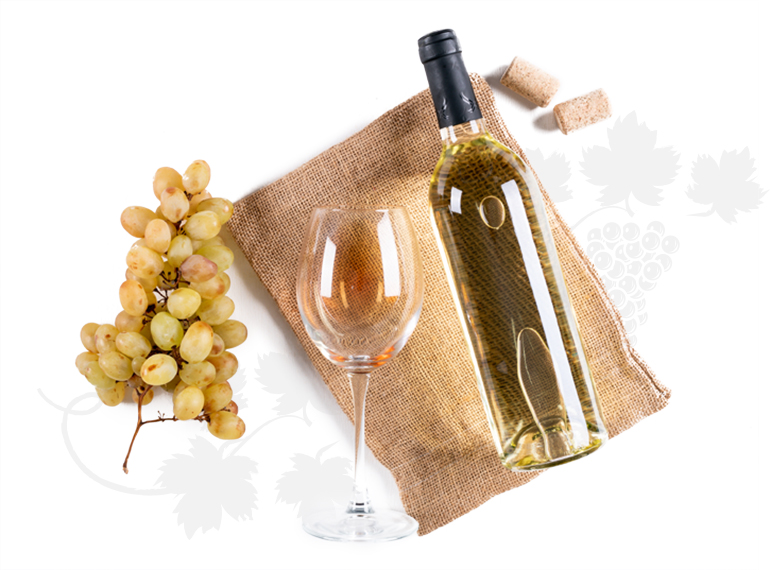
Organic wine refers first and foremost to the grapes and is certified by the EU. The label means that no products have been used to treat the vines other than sulfur and copper (two traditional means of protecting the vines against various types of mold primarily). In the cellar, certain processes are still allowed such as heating, using commercial yeasts for fermentation, adding gum, acids, tannins, clarification and thinning agents etc.
Biodynamic wine
Biodynamic Wine is certified by the Demeter Association, whose principles are founded on a series of lectures given by Rudolf Steiner in 1921. Steiner foresaw the problems of industrial agriculture, especially the way it depleted the soil and weakened plants making them vulnerable to disease and insects. At its most basic level, biodynamic agricultural methods enrich the soil and fortify plants through natural means. But Steiner’s approach is much broader in the sense that it also has an energetic/spiritual component based on the concept that everything in the cosmos is connected, that all are one.
Natural wine
Natural Wine cannot be certified. This self-proclaimed label means that nothing has been added or subtracted in the vineyard or in the cellar except possibly a small amount of sulfites at bottling. In Italy, the VInNatur Association is a group of natural wine producers, who submit their wines for testing to assure that they contain no traces of chemical fertilizers, pesticides, fungicides, herbicides, etc. nor do they contain cellar additives. (There are 60 additives/processes permitted in the making of conventional wine.)
Orange wine
One kind of “natural” wine that is becoming very popular is “orange wine”. This refers to white wine, which has been made with “skin contact”. Normally, the skins, which contain tannins and color, are separated immediately from the “must” (grape juice). When they remain, the white wine becomes a dark amber or even orange in color and has tannins (normally found only in red wine). Allowing skin contact turns out to be natural anti-bacterial protection meaning that “orange wines” typically have little or no sulfites added. With these general definitions in mind, the best way to understand these wines is to start drinking them. There is such a huge gamut of diversity that it would be impossible to categorize “organic”, “biodynamic” or “natural” in any structured way. There are great wines made with these methods and not-so-great wines as well. It’s all a matter of taste!
You can find a huge selection of organic, biodynamic, and natural wines at Winebuyers – simply pop what you want into the search bar and start exploring.
]]>Deprecated: Creation of dynamic property WP_Term::$cat_ID is deprecated in /home/dopo5861/dev-mp-shop/wp-includes/category.php on line 378
Deprecated: Creation of dynamic property WP_Term::$category_count is deprecated in /home/dopo5861/dev-mp-shop/wp-includes/category.php on line 379
Deprecated: Creation of dynamic property WP_Term::$category_description is deprecated in /home/dopo5861/dev-mp-shop/wp-includes/category.php on line 380
Deprecated: Creation of dynamic property WP_Term::$cat_name is deprecated in /home/dopo5861/dev-mp-shop/wp-includes/category.php on line 381
Deprecated: Creation of dynamic property WP_Term::$category_nicename is deprecated in /home/dopo5861/dev-mp-shop/wp-includes/category.php on line 382
Deprecated: Creation of dynamic property WP_Term::$category_parent is deprecated in /home/dopo5861/dev-mp-shop/wp-includes/category.php on line 383
Deprecated: Creation of dynamic property WP_Term::$cat_ID is deprecated in /home/dopo5861/dev-mp-shop/wp-includes/category.php on line 378
Deprecated: Creation of dynamic property WP_Term::$category_count is deprecated in /home/dopo5861/dev-mp-shop/wp-includes/category.php on line 379
Deprecated: Creation of dynamic property WP_Term::$category_description is deprecated in /home/dopo5861/dev-mp-shop/wp-includes/category.php on line 380
Deprecated: Creation of dynamic property WP_Term::$cat_name is deprecated in /home/dopo5861/dev-mp-shop/wp-includes/category.php on line 381
Deprecated: Creation of dynamic property WP_Term::$category_nicename is deprecated in /home/dopo5861/dev-mp-shop/wp-includes/category.php on line 382
Deprecated: Creation of dynamic property WP_Term::$category_parent is deprecated in /home/dopo5861/dev-mp-shop/wp-includes/category.php on line 383
Deprecated: Creation of dynamic property WP_Block::$attributes is deprecated in /home/dopo5861/dev-mp-shop/wp-includes/class-wp-block.php on line 179
Ask First
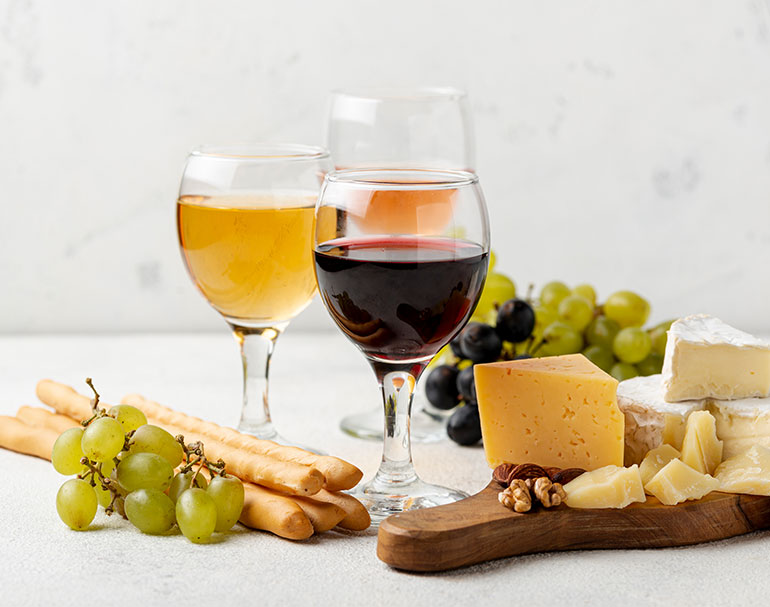
It pays to find out what your host is rustling up for the dinner party and make your decision accordingly. Your choice will be different depending on whether you’re being invited for pizza or a full-blown gourmet experience. Some hosts plan things out to the nth degree and have the wine all planned. In which case you can ask what their favorite tipple is and get them a bottle of that as a gift. On the whole, however, you’ll be expected to bring a bottle of something for the meal so knowing what’s on the menu is vital.
Which Wine?
For those with little or no knowledge of wine, it’s always best to get some good advice from a local vintner or wine shop, someone who knows what they are talking about. If that’s not possible, there are plenty of resources online that can help you pick out a suitable wine to match the meal. Here are just a few things to think about.
Themed Nights
If you’re host is giving a themed night, then buy your wine to match. For example, if it’s a Spanish meal, you know to buy wine from that region. If they’re hosting a Thai curry night then you’ll want something that will offset or complement the spiciness of the food. If they’re vegetarians, don’t just assume that you need to bring white wine – there are plenty of red wines that go well with veggie dishes.
Trust Your Taste Buds
If you like your wine (and more importantly like a quality wine) choosing something that appeals to your palate makes sense. You’re then more likely to pick something others are going to enjoy and that’s the whole point of the evening.
The Cost of the Wine
Much will depend on who you are dining with but, if you want to be on the safe side, choosing a mid-range bottle of wine should fit the bill and prevent any embarrassment. These are normally between £10 and £20 and a fair exchange for the meal that’s being cooked for you. Pick a bottle that’s out of the ordinary compared to your standard supermarket fare – while the idea might make the most ardent connoisseur roll their eyes, an attractive label can make a big difference, especially if you are looking to impress.
Wine Parties
More and more people are having dinner parties where the wine is actually the more important part than the meal. These are great occasions for budding enthusiasts and a great way to theme an event. For example, you could hold a Pinot Noir party and ask your guests to bring a bottle from a specific region. You can then sit around and compare the different varieties. Think of it as a book club but for wine enthusiasts – paired with the right food it can give people plenty to talk about at the dinner.
]]>Deprecated: Creation of dynamic property WP_Term::$cat_ID is deprecated in /home/dopo5861/dev-mp-shop/wp-includes/category.php on line 378
Deprecated: Creation of dynamic property WP_Term::$category_count is deprecated in /home/dopo5861/dev-mp-shop/wp-includes/category.php on line 379
Deprecated: Creation of dynamic property WP_Term::$category_description is deprecated in /home/dopo5861/dev-mp-shop/wp-includes/category.php on line 380
Deprecated: Creation of dynamic property WP_Term::$cat_name is deprecated in /home/dopo5861/dev-mp-shop/wp-includes/category.php on line 381
Deprecated: Creation of dynamic property WP_Term::$category_nicename is deprecated in /home/dopo5861/dev-mp-shop/wp-includes/category.php on line 382
Deprecated: Creation of dynamic property WP_Term::$category_parent is deprecated in /home/dopo5861/dev-mp-shop/wp-includes/category.php on line 383
Deprecated: Creation of dynamic property WP_Block::$attributes is deprecated in /home/dopo5861/dev-mp-shop/wp-includes/class-wp-block.php on line 179
Deprecated: Creation of dynamic property WP_Block::$attributes is deprecated in /home/dopo5861/dev-mp-shop/wp-includes/class-wp-block.php on line 179
Deprecated: Creation of dynamic property WP_Block::$attributes is deprecated in /home/dopo5861/dev-mp-shop/wp-includes/class-wp-block.php on line 179
Fish with red wine
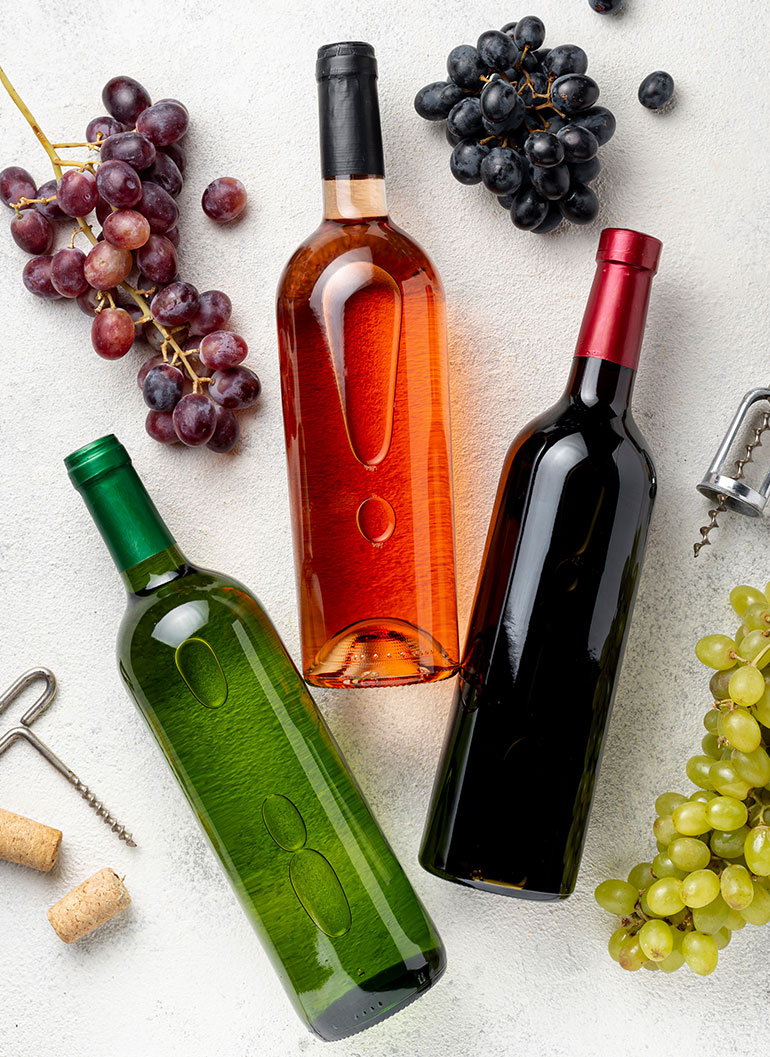
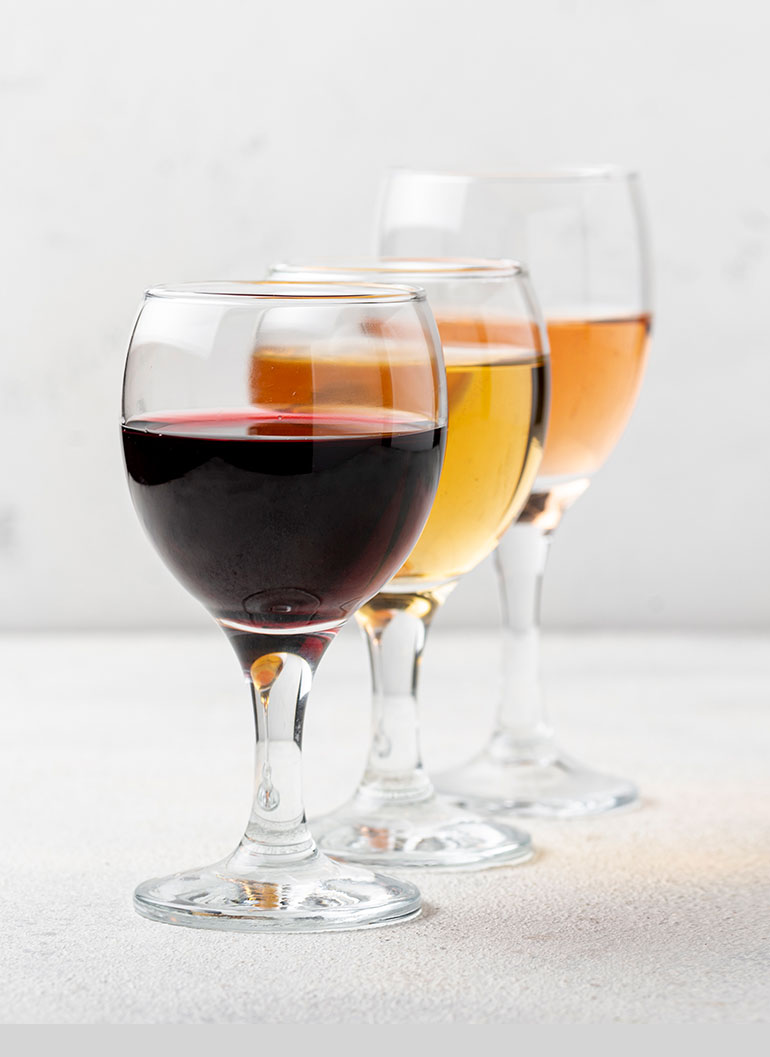
Generally speaking, lighter reds are a better match for fish than those that are full-bodied. Any tannins in the wine are going to clash with the acidity of the fish leaving a metallic aftertaste, so it’s best to go for wines that are naturally low in tannins, such as Pinot Noir or Gamay.
Meatier fish, such as tuna or monkfish, often overwhelm light whites, so a red with a little bit of body leads to a much better balance. As with any dish, it is also the way the fish is cooked and the accompanying sauces that dictate which wine will work best.
Tuna
A simple seared tuna dish is a great match for a lighter red such as a Chinon (Loire Valley) or a simple Burgundy red. If you’re adding a bit of spice or chargrilling, you can even afford to be a little bolder with your wine choice. Something like a young Italian Barbera is low in tannin but has loads of dark cherry and plum character to stand up to the stronger flavors.
Monkfish
Another textured fish, monkfish often suits a red, particularly if it has been cooked in a red wine sauce. If it is simply roasted, it goes really well with a French or German Pinot Noir which tends to have more refreshing acidity compared to New World examples. Monkfish, especially when cooked in red wine sauce, also works well with Merlot.
Fish with rosé
But let’s not forget rosé, afterall it is such a versatile and food-friendly wine, and that definitely includes fish.
Salmon
A bold rosé, such as Bandol or Tavel (Rhône Valley), is a great match for a seared salmon steak.
For more delicate salmon dishes such as sashimi or ceviche, pair with a really crisp, elegant rosé, such as a Provence rosé. In fact, rosé wine is an ideal partner to most salmon dishes. This also applies to the sparkling rosé which goes well as the bubbles contrast nicely with the soft texture of the fish.
Fish with sparkling wine
Speaking of sparkling wine, we can’t overlook a bit of fizz as an accompaniment to fish dishes.
Fish and chips
Everyone knows about fish and chips and bubbles, right? The refreshing acidity of the wine works perfectly with the richness of the fried food and makes the fish and chips taste lighter. You can use any bubbly with high acidity, like English Sparkling Wine, a dry Prosecco or Champagne for a more refined experience.
Oysters
But sparkling wine works with so many other fish or seafood dishes. Another classic match is a bone dry fizz, such as a Brut Nature Champagne where the bubbles match brilliantly with the soft texture of oysters.
So next time you’re looking for a wine to have with fish, you can be bold, explore some options and try something a little different!